Validated Noninvasive Modalities
We focus on the two noninvasive imaging modalities that provide clinically meaningful insights into GI diseases without adding additional patient burden, making them trial-ready for global execution:
- Magnetic resonance imaging/magnetic resonance enterography (MRI/MRE): Assesses inflammation, bowel wall thickness, and complications without radiation
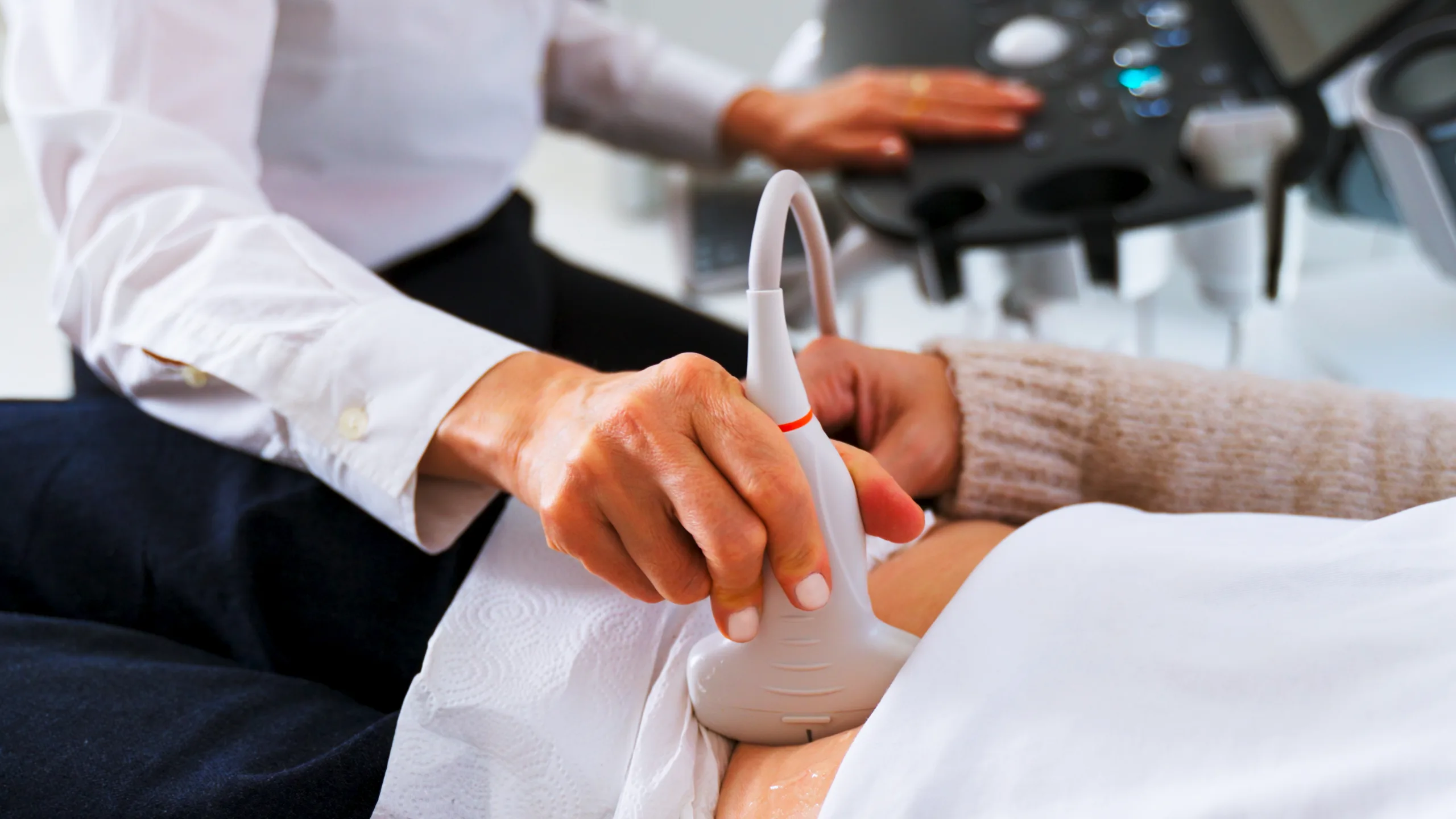
- Intestinal ultrasound (IUS): A novel patient-centric, bedside assessment that tracks disease activity between endoscopies
Strategic IUS Partnership With IBUS
Our strategic partnership with the International Bowel Ultrasound Group (IBUS) is driving the adoption of IUS in clinical trials while setting the standards for acquisition, central reading, and site training.
Central Reading for Noninvasive Imaging
Variability in interpretation can compromise trial data. Our blinded central readers score to the study’s index, with calibration up front and agreement tracked throughout.
When questions arise, imaging queries go back to the site with specific fixes, keeping endpoints consistent across regions.
Data Flow That Fits Your Study
We synchronize medical imaging with your clinical data flow:
- Uploads are tracked from scanner to read (status is visible on simple dashboards)
- Structured outputs move to data management and statistics with audit trails intact
- Reading turnaround matches the visit schedule so central reading results are ready for interim checks and database lock
Ready to Build a Better Trial?
When you need deep scientific expertise, global operational excellence, and exceptional noninvasive imaging to ensure trial success, you need to partner with the specialized GI CRO.
When to Choose Noninvasive Imaging
Use MRI/MRE or IUS when:
- You need objective disease activity between endoscopy visits
- Issues with safety or access limit scoping frequency
- Frequent monitoring supports an adaptive design or re-induction/rescue treatment decisions
FAQs
A: Standardization is critical for IUS. Through our exclusive partnership with IBUS, we implement a rigorous site training and certification program. This ensures that every investigator captures images using the same protocol. We then apply blinded central reading to validate the acquisition quality and score the images objectively, mitigating the variability typically associated with site-level reading.
A: While endoscopy remains the regulatory gold standard for confirming mucosal healing, noninvasive imaging is becoming essential for intermediate assessments. MRE and IUS allow for frequent, low-burden monitoring of transmural healing and disease activity between scheduled endoscopies. This makes them powerful tools for adaptive trial designs, allowing you to make early go/no-go decisions or re-randomize patients without subjecting them to additional invasive procedures.
A: The choice depends on your specific endpoints and patient population. MRE provides a comprehensive, panoramic view of the bowel and is the established standard for assessing fistulizing or stricturing phenotypes. IUS is a bedside tool that offers unparalleled accessibility and patient comfort, making it ideal for pediatric studies or protocols requiring frequent, repeatable assessments of disease activity over short intervals.