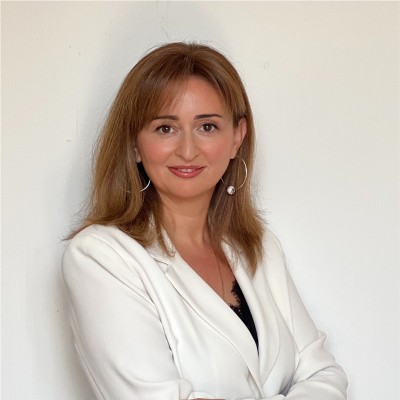
Nino Kiknadze, MD, PhD is Clinical Director at Aversi Clinic in Tbilisi, Georgia.
What first inspired your interest in gastroenterology research?
My interest started by seeing the impact that chronic GI conditions—such as IBD, MASH—have on a patient’s quality of life. While standard therapies offer relief for some, many patients continue to struggle with cycling flares, loss of response, or side effects. I realized the only way to offer them better options was to get involved in clinical trials.
From your perspective, what are the most significant challenges GI research sites face today — whether operational, regulatory, or patient-related?
GI trials frequently require sequential, invasive procedures like colonoscopies, endoscopies, and frequent blood draws. This makes patient retention and recruitment a distinct challenge compared to other therapeutic areas.
Coordinating central reading for endoscopy and imaging requires seamless logistics. Any delay in getting central reader feedback can stall a patient’s screening window.
How do you see clinical trials evolving in your region or country, and what would help accelerate progress in GI research?
We need centralized referral networks among community gastroenterologists, so they see clinical trials as a primary care option rather than a last resort.
What qualities do you value most in a CRO partnership, and how have collaborations with organizations like Alimentiv supported your work?
Collaborating with a specialized CRO like Alimentiv makes the entire process seamless and efficient. The Alimentiv team has deep therapeutic expertise, understand the protocols as well as we do and can solve an issue before it becomes a protocol deviation.
How has your collaboration with Alimentiv influenced your site’s ability to conduct high-quality GI clinical trials, and what aspects of the partnership have been most valuable to you and your team?
Because Alimentiv specializes in GI, CRAs actually know the nuances of GI protocols, which saves my coordinators from wasting time explaining site workflows. turnaround times for central imaging reviews are reliable, which keeps our screening process moving.
Can you share an example of a study or project that has been particularly meaningful or exciting for you and your team?
We had a patient in a clinical trial who had failed every available therapy on the market and was looking at surgery. He achieved full clinical remission and endoscopic healing on an investigational drug.
It’s exactly why we do this.
What types of support or resources make the biggest difference for investigators and site staff?
Simple, clear visual aids for patients that explain the trial timeline and procedures—it makes the consenting process much easier. From an operational part, streamlined data entry platforms and reliable patient travel reimbursement support make a important difference.
What do you believe would help more patients and clinicians?
Understanding the value of participating in GI clinical trials. We need to stop treating trials as a ‘last resort’ and frame them as access to tomorrow’s medicine today. For patients, we need to be transparent about the invasive procedures but emphasize the high level of specialist care and monitoring they receive.
Looking ahead, what gives you optimism about the future of GI research, and what would you like the global GI community to keep in mind?
The shift toward precision medicine—using biomarkers to target the right mechanism for the right patient, rather than guessing. My main note for the global GI community is just to keep the patient experience in mind when writing protocols.